


Residential Rehab Orlando: A Path to Lasting Recovery
By: House of Freedom
Finding the right support for addiction recovery is a crucial step. When the struggle with substance use feels overwhelming, choosing a residential rehab Orlando program can provide the structure and care needed to heal. I want to share insights about inpatient drug rehab and how it can be a turning point for anyone ready to reclaim their life.
Why Choose Residential Rehab Orlando?
Residential rehab offers a safe, supportive environment where healing begins. It means living at the treatment center for a period, fully immersed in recovery. This setting removes distractions and temptations, allowing focus on healing.
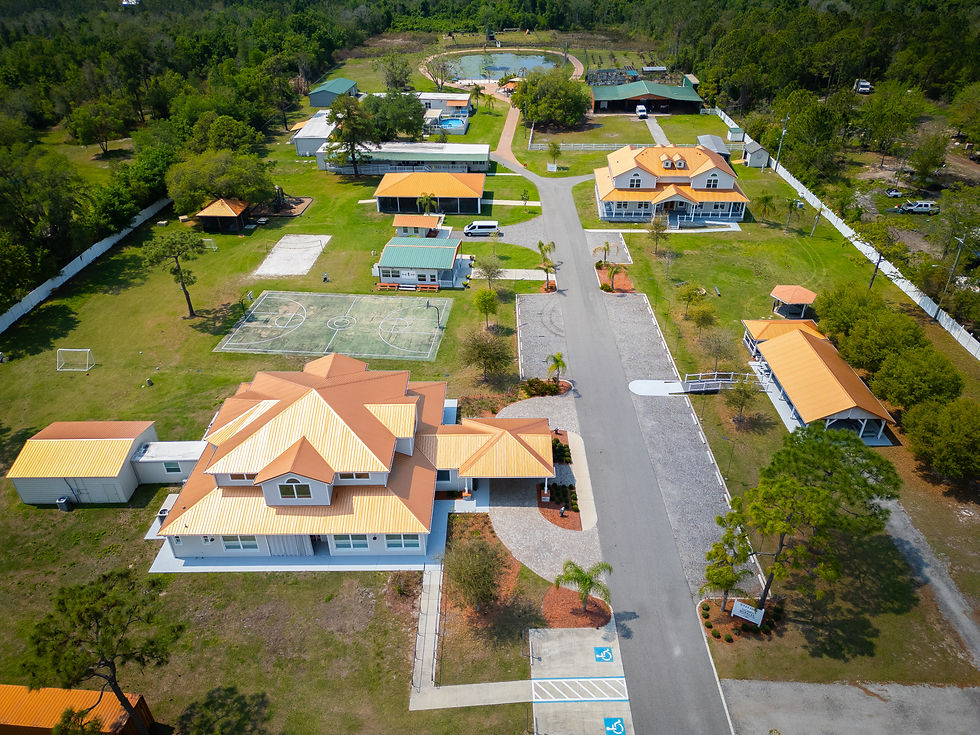
In Orlando, residential rehab programs combine professional care with a warm, welcoming atmosphere. The city’s calm surroundings and sunny weather create a positive backdrop for recovery. Here, you are not alone. You join a community of people who understand your journey.
Benefits of residential rehab include:
24/7 medical and emotional support
Structured daily routines
Access to therapy and group sessions
Opportunities to build healthy habits
A chance to disconnect from triggers
This approach is especially helpful for those with moderate to severe addiction. It offers a foundation for long-term success.
What is the difference between detox and inpatient rehab?
Understanding the difference between detox and inpatient rehab is important. Detox is the first step. It focuses on safely managing withdrawal symptoms when stopping substance use. This process is often medically supervised to ensure safety and comfort.
Inpatient rehab, on the other hand, is a longer-term program. After detox, inpatient rehab provides therapy, counseling, and support to address the root causes of addiction. It helps develop coping skills and rebuild life.
Detox alone is rarely enough. It clears the body but does not address the emotional and psychological aspects of addiction. Inpatient rehab offers a comprehensive approach, combining medical care with mental health support.
Both are essential parts of the recovery journey, but inpatient rehab provides the deeper healing needed for lasting change.
What to Expect in a Residential Rehab Program
Entering a residential rehab program can feel like stepping into a new world. It’s normal to feel uncertain, but knowing what to expect can ease those feelings.
Typical daily schedule:
Morning check-ins and group therapy
Individual counseling sessions
Educational workshops on addiction and recovery
Recreational activities to promote wellness
Evening support groups and reflection time
The program is designed to balance structure with personal growth. You will learn to identify triggers, manage cravings, and build a support network.
Staff members are there to guide you every step of the way. They include doctors, therapists, and counselors who specialize in addiction treatment. Their goal is to help you heal physically, mentally, and emotionally.

How to Choose the Right Residential Rehab in Orlando
Choosing the right rehab center is a personal decision. It’s important to find a place that feels safe and supportive. Here are some tips to help you make the best choice:
Check credentials: Ensure the facility is licensed and accredited.
Look for comprehensive care: Programs should offer medical, psychological, and social support.
Consider the environment: A peaceful, clean, and welcoming setting aids recovery.
Ask about aftercare: Good programs provide ongoing support after leaving rehab.
Read reviews and testimonials: Hearing from others can provide insight.
Visiting the center or speaking with staff can also help you feel more comfortable. Remember, this is your journey. The right place will respect your needs and goals.
The Role of Family and Support Systems
Recovery is not just an individual effort. Family and friends play a vital role. Many residential rehab programs encourage family involvement through therapy sessions and education.
Support systems provide encouragement and accountability. They help maintain motivation and reduce feelings of isolation. It’s important to communicate openly and build trust during this time.
Programs often teach skills to improve relationships and set healthy boundaries. This support network becomes a foundation for life after rehab.
Taking the First Step Toward Recovery
Deciding to enter a residential rehab program is a brave and hopeful choice. It means prioritizing your health and future. If you or someone you love is struggling, know that help is available.
I encourage you to explore options and reach out for guidance. The journey may be challenging, but it is also filled with possibility. Recovery is within reach.
If you want to learn more about inpatient drug rehab Orlando, take that first step today. You deserve a life free from addiction.
Embracing a New Beginning
Recovery is a process, not a destination. Residential rehab in Orlando offers a strong start. It provides tools, support, and hope. With commitment and care, lasting change is possible.
Remember, you are not alone. Many have walked this path and found freedom. Your story can be one of healing and renewal. Take the step forward with confidence and courage. A brighter future awaits.


Comments